inclusion that actually lands.
Keynotes, conversations, and events people remember.
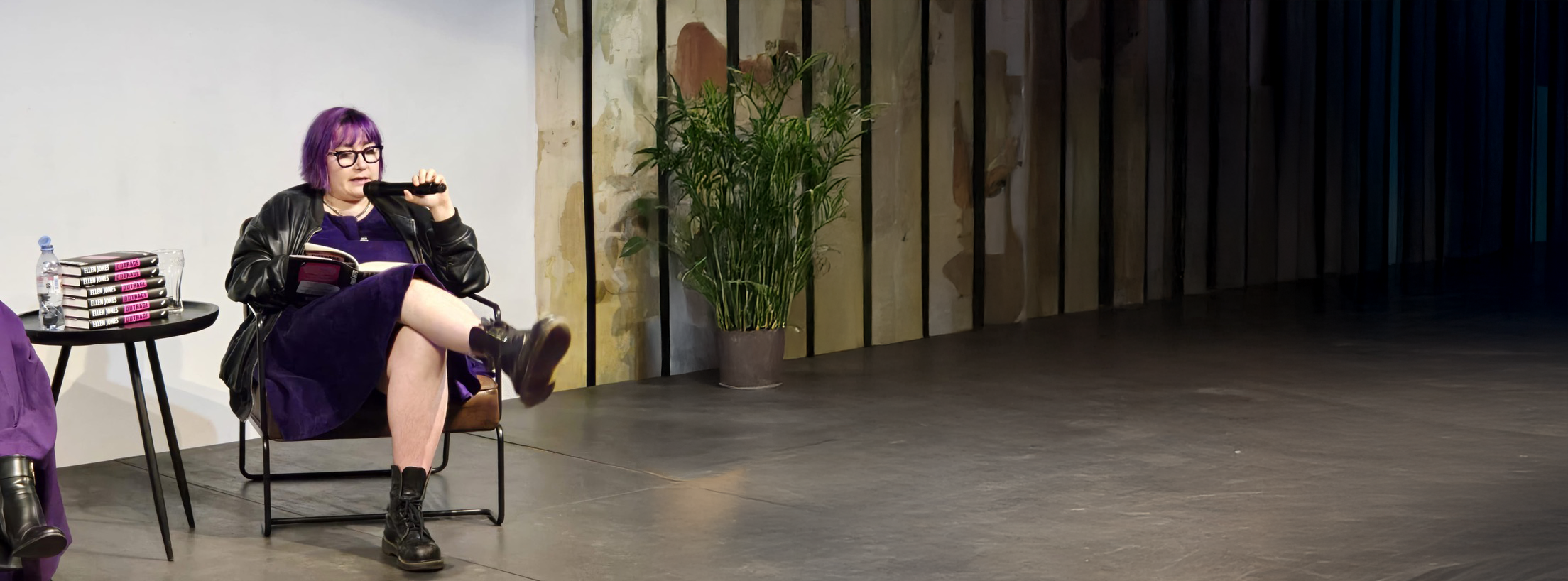
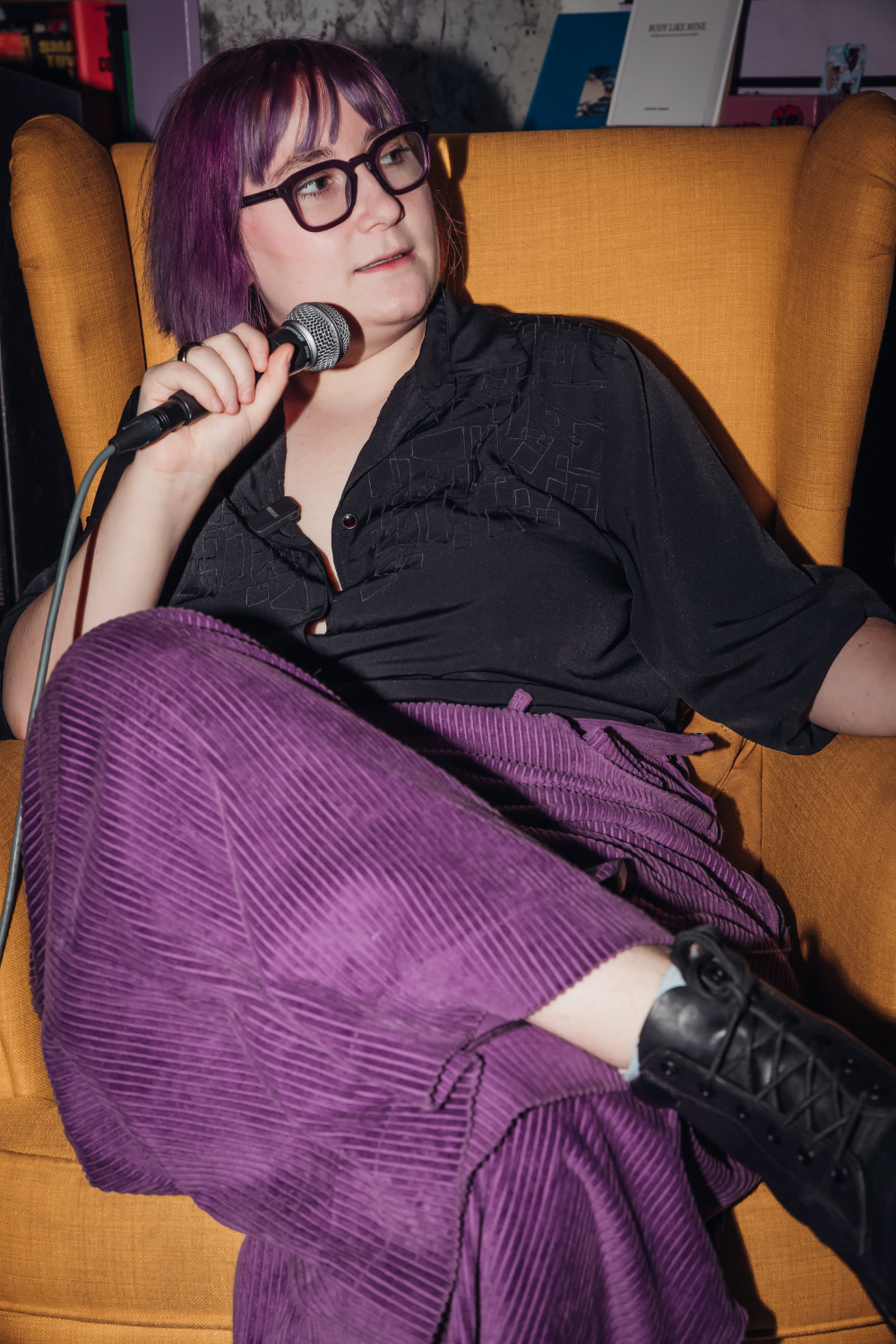
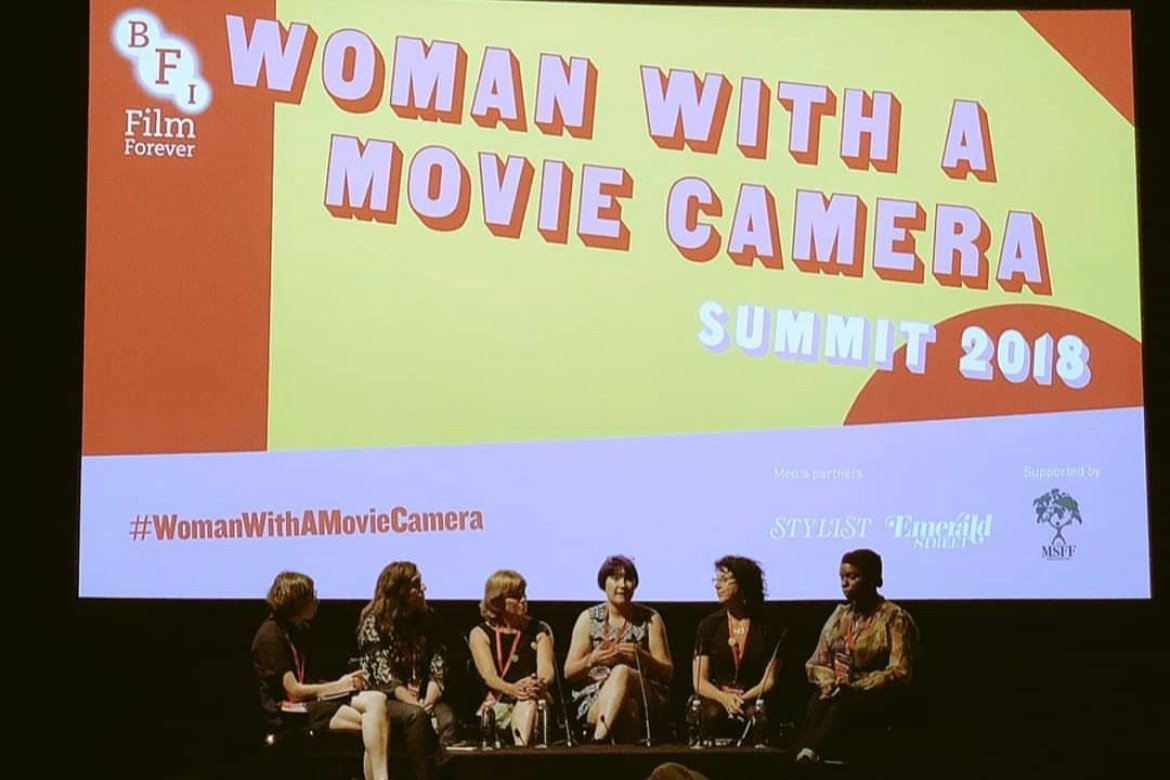
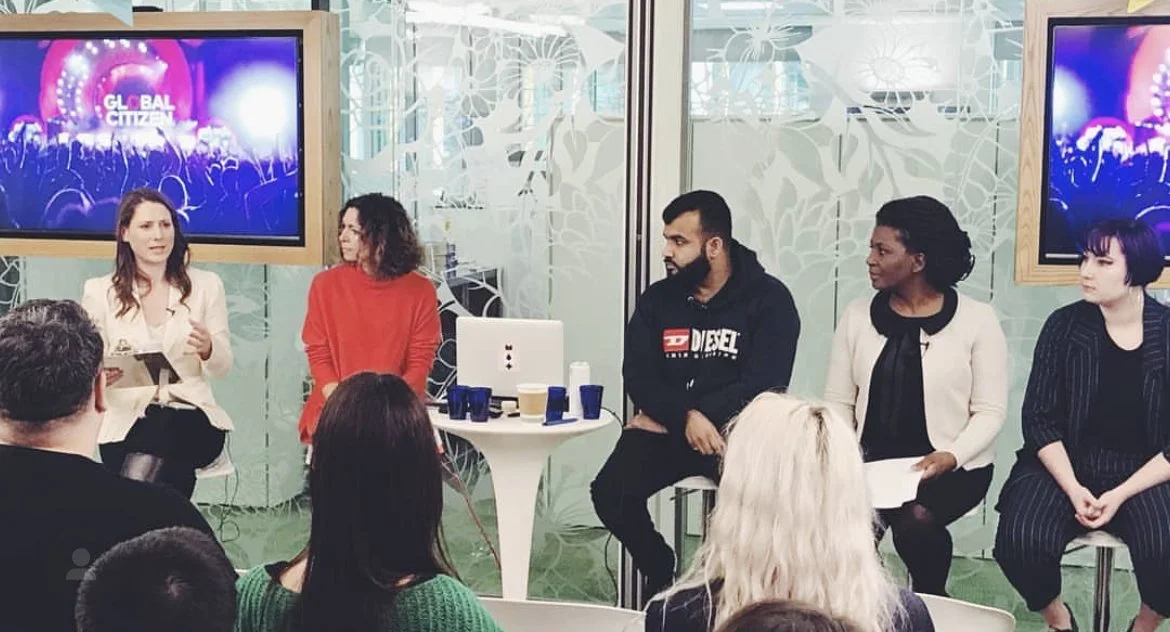
I’ve spent the best part of a decade speaking to and training organisations on how to meaningfully improve their approach to inclusion and diversity - particularly around neurodiversity, disability and LGBTQ+ inclusion. I’m known not just for insight and clarity, but for an engaging presence on stage, making me equally at home delivering a keynote, facilitating a panel, or hosting and compering events of all kinds.
I’ve worked with some of the world’s leading businesses, from Google and Universal Music to Ocado and M&C Saatchi. My client base spans tech, media, retail and beyond - proof of my adaptable, cross-sector expertise. I’ve also partnered with leading universities including Cambridge, Hyper Island, University of the Arts London and Queen Mary, and delivered sessions for cultural institutions such as the National Portrait Gallery, Tate and the V&A. In the non-profit sector, I’m trusted by organisations including Oxfam, UNICEF and akt. Some of my most recent clients include Novartis, Greater Anglia, Shelter, GoDaddy, Rakuten and Public.Digital.
I’m a storyteller at heart. I bring humour, empathy and warmth to my work - navigating complex or sensitive subjects with ease and helping audiences lean into learning rather than retreat from it. My ability to connect with everyone, from young people to senior leaders, makes me the go-to for events that need both impact and energy - whether as a speaker, host or compère.

Organisations i’ve spoken for



If inclusion feels easy, you’re probably doing it wrong.
Example talks
Everything You Know About Neurodivergence Is Wrong
This keynote challenges some of the most persistent myths about neurodiversity at work and replaces them with a grounded, practical understanding of what genuine inclusion actually looks like. Rather than positioning neurodivergent people as problems to be managed or accommodated only at the margins, I reframe neurodivergence as a natural and valuable form of human variation.
Drawing on my lived experience, organisational case studies and current research, I examine why so many workplace inclusion efforts fail neurodivergent staff, and what needs to change at a structural level for inclusion to be real rather than rhetorical.

-
Participants are taken through how neurodivergence shows up across roles, seniority levels and industries, and why focusing solely on individual adjustments without addressing culture, power and systems is insufficient. I explore legal responsibilities under equality legislation, but go beyond compliance to examine ethical leadership, retention, and the long-term cost of exclusion.
I also address common misconceptions such as the idea that neurodivergent inclusion is only about autism, that it requires expensive interventions, or that it benefits only a small minority of staff. In reality, neuroinclusive practices improve clarity, productivity and wellbeing for everyone.
-
Organisations leave with a clearer understanding of how to move beyond surface-level initiatives, how to identify barriers embedded in everyday processes, and how to create environments where neurodivergent staff can thrive without masking or burnout.
How To Fight For LGBTQ+ Lives
This keynote explores what it really means to fight for LGBTQ+ lives — not through symbolism or corporate statements, but through community organising, collective action and sustained solidarity.
At a time when LGBTQ+ visibility is higher than ever, so too is political hostility, legislative rollback and cultural backlash. This talk situates LGBTQ+ struggle within that wider social context and argues that progress has never been inevitable — it has always been organised. Rather than framing equality as something delivered from the top down, this session centres the power of communities: how change happens, who drives it, and why solidarity is a practice, not a slogan.

-
Drawing on themes from Outrage: How To Fight For LGBTQ+ Lives, I examine how LGBTQ+ rights have historically been won and how they are being eroded today.
The session explores:
Why backlash is not a sign of failure, but of progress that threatens existing power structures
The difference between visibility and equality
How grassroots movements, mutual aid, and collective organising protect lives in ways institutions often cannot
Why neutrality sustains harm
How LGBTQ+ liberation is inseparable from struggles around race, disability, class, migration and gender justice
I make clear that fighting for LGBTQ+ lives is not about brand alignment or surface-level allyship. It is about building networks of care, redistributing power, and creating structures that outlast political cycles.
The talk offers a grounded understanding of how movements are built — from protest to policy, from outrage to infrastructure.
-
Audiences leave with:
A clearer understanding of how LGBTQ+ rights have been won — and how they can be defended
Practical insight into what meaningful community organising looks like
A stronger grasp of how solidarity functions across movements
The confidence to move from passive support to active participation
Above all, the talk reframes the fight for LGBTQ+ lives not as abstract politics, but as collective responsibility and collective possibility.
No Pride In Prejudice: How LGBTQ+ Inclusion Improves Workplaces For All
This keynote explores why LGBTQ+ inclusion remains unfinished business in the workplace, and why that matters not only for LGBTQ+ staff but for organisational culture as a whole.
Set against a backdrop of increasing visibility alongside growing political and legal hostility, the talk situates workplace inclusion within a wider social context. It challenges organisations to understand inclusion not as a seasonal or symbolic gesture, but as an ongoing responsibility with real-world consequences.

-
Drawing on themes from my book, this session examines how rollbacks in LGBTQ+ rights intersect with workplace safety, retention, and trust.
This talk addresses how policies, language and leadership behaviour can either protect or endanger staff, and why neutrality is not a safe position. I explore the links between LGBTQ+ inclusion, gender equality, disability rights and broader social justice movements, making clear how exclusion in one area weakens protections for all.
-
Audiences leave with a stronger understanding of what meaningful LGBTQ+ inclusion requires in practice, how to avoid performative approaches, and how to support staff in ways that are credible, consistent and safe.
Tapping Into 1/4 Of The Population: How Your Business Can Integrate Disability Inclusion
Disabled people make up roughly a quarter of the global population and represent a collective spending power of over 13 trillion dollars. Yet workplaces and businesses continue to design systems that exclude them.
This keynote examines disability inclusion as both a justice issue and a strategic imperative. It challenges outdated models that frame disability as an individual deficit and instead advocates for systemic change grounded in universal design and access.
-
I explore how exclusion shows up across recruitment, workplace design, communications and customer experience, often unintentionally but consistently. The talk unpacks the legal and moral responsibilities organisations hold, while also highlighting the missed opportunities that come from ignoring disabled talent and consumers.
Rather than focusing solely on adjustments after harm has occurred, the session introduces proactive approaches to access, including universal design principles that benefit everyone.
-
Organisations gain a clearer understanding of how to move from reactive compliance to proactive inclusion, and how embedding access from the outset leads to more resilient, innovative and equitable workplaces.




other services
Writing & thought leadership
I’m a best-selling author & write with authority, precision, and purpose, producing work that shapes public conversation, influences policy, and supports meaningful cultural change. My writing sits at the intersection of LGBTQ+ equality, disability, neurodivergence, inclusion, and culture, and is grounded in both lived experience and deep research. I’m trusted to handle complex, emotionally charged subjects with clarity and care, without diluting their political or social urgency
Strategy & advisory work
I work with organisations that want to embed LGBTQ+, disability, and neurodivergent inclusion meaningfully, not performatively. I’m often brought in when the stakes are high: during periods of growth, scrutiny, internal change, or reputational risk. My role is to bring clarity, challenge assumptions, and help leadership teams make decisions that stand up ethically, legally, and culturally. My approach is honest, direct, and solutions-focused designed to help organisations act with integrity, confidence, and credibility in the real world.

Pansy studios
I’m the founder of Pansy Studios, a queer-led marketing agency and creative platform delivering high-performance, inclusive marketing for brands, charities, and cultural institutions. I work with organisations navigating complex, high-stakes marketing challenges - particularly where inclusion, identity, and public scrutiny intersect. My work is strategy-led, culturally informed, and designed to deliver outcomes, not just visibility.